
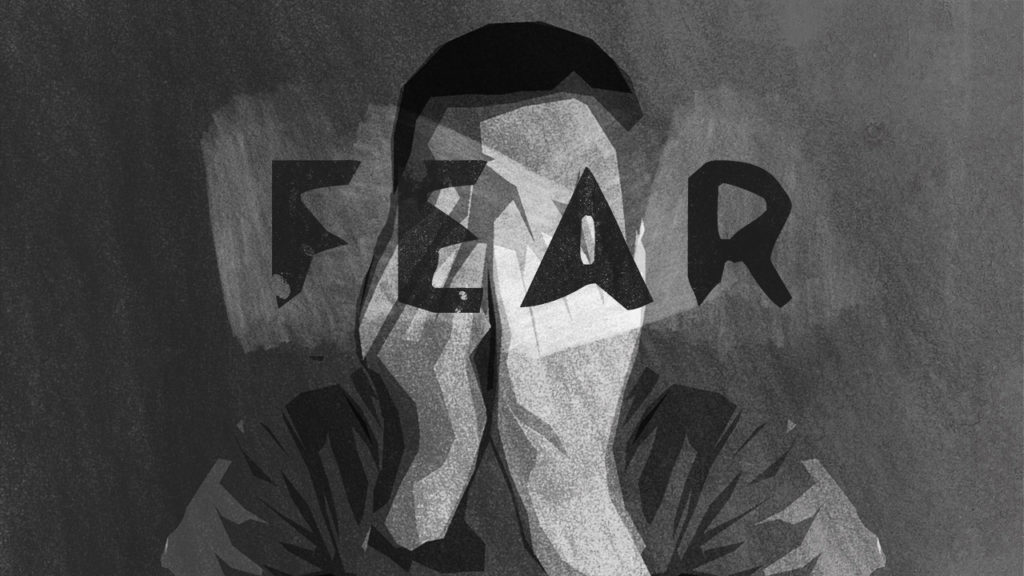
Fear is a complex emotion that invokes a specific physiological response in us. It engages the sympathetic nervous system so we may be ready to defend ourselves and fight for our lives or run and escape danger. There is also the freeze response that is not mentioned often where your mind is in conflict with the body, and you literally do nothing. This last response we see in many movies and television shows while we yell at the character to run. But is fear a rational or irrational response?
Fear is technically a rational response in that it promotes self-preservation. It is healthy for someone walking alone at night to have some level of fear to be aware of their surroundings, assessing a safe plan as they walk, and know how to defend themselves. You fear burning yourself when taking something out of the oven or handling items around firepits or grills. This keeps you safe. Defensive driving is being aware of the cars around you, watching other driver actions, anticipating movements, and knowing your escape pockets on the road, all to avoid an accident or even death. These are all healthy levels of fear.
Crossing the threshold into the irrational is when fear generalizes or has been adopted as always true and starts impacting your behavior and life in a way that is not desirable. Even more extreme is when the fear is now a phobia that restricts your life. Phobias are defined as irrational fears triggered by either specific or general events or items and the anxiety far outweighs the threat it poses.
The Anxiety and Depression Association of America estimates that 19 million Americans have a phobia. While it can happen in early childhood, most phobias manifest between 15 and 20. Examples include:
- Blood
- Closed-in places
- Clusters of small holes (known as trypophobia)
- Dental or medical procedures
- Escalators
- Flying
- Heights
- Insects / Spiders
- Snakes
- Thunder
- Tunnels
- Bridges
- Water
People live with intense fears and phobias their entire life and just accept it with no desire to change. One could say having a fear of sharks and the ocean is understandable but having a fear of clowns and dolls is silly. However, they both have a source in your life journey and identifying it can be quite enlightening; Healing it can be liberating.
Some events are obvious and I have clients come in saying they know why, but it is those phobias or fears that have more subtle roots that are more troublesome. Why is it your fear financial lack? Or fear never finding the right partner for you? Or fear being betrayed? Or fear dying? These are just a few things that impact your everyday behavior which then manifests your reality to that which you fear. I help people see where these past events are tied to current situations, and we work to heal them
If your fears are keeping you from living the life you wish, contact me for an appointment and let’s get started on your healing journey.
Namaste,
Mecca